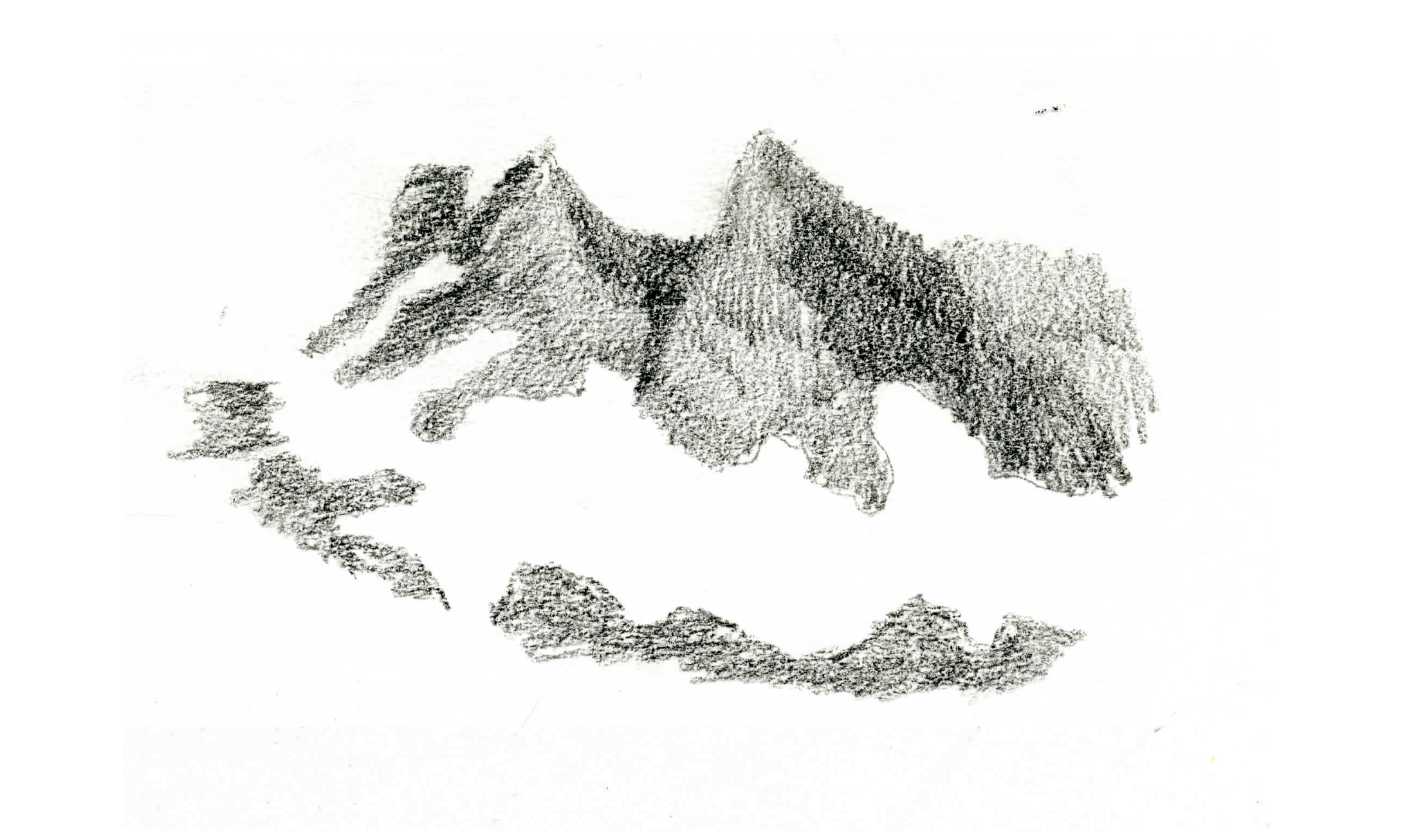
Harvard GSD Studio: Quito and the Elasticity of the Spanish American Block / Site: Quito, Ecuador / Professor: Felipe Correa
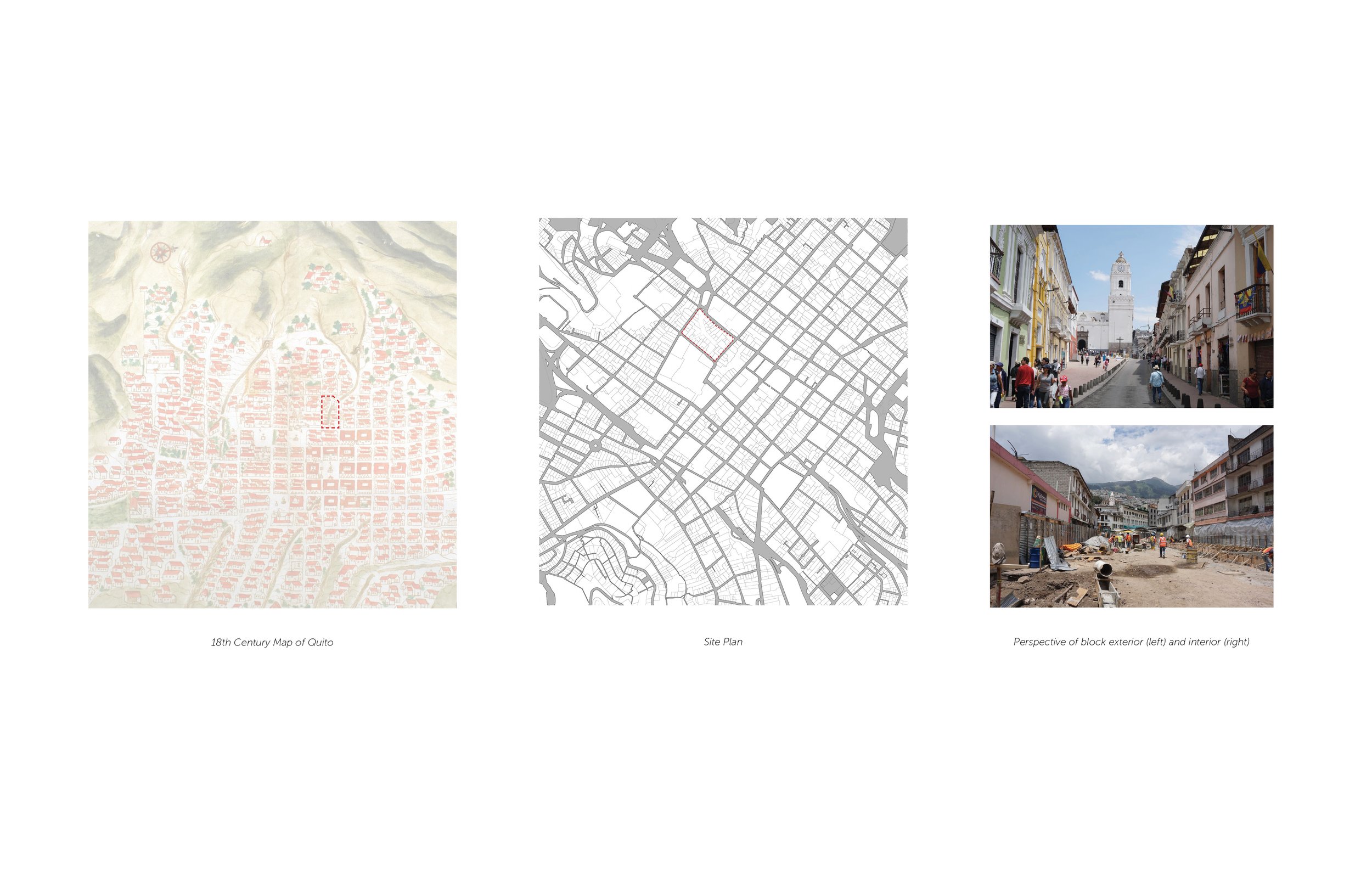
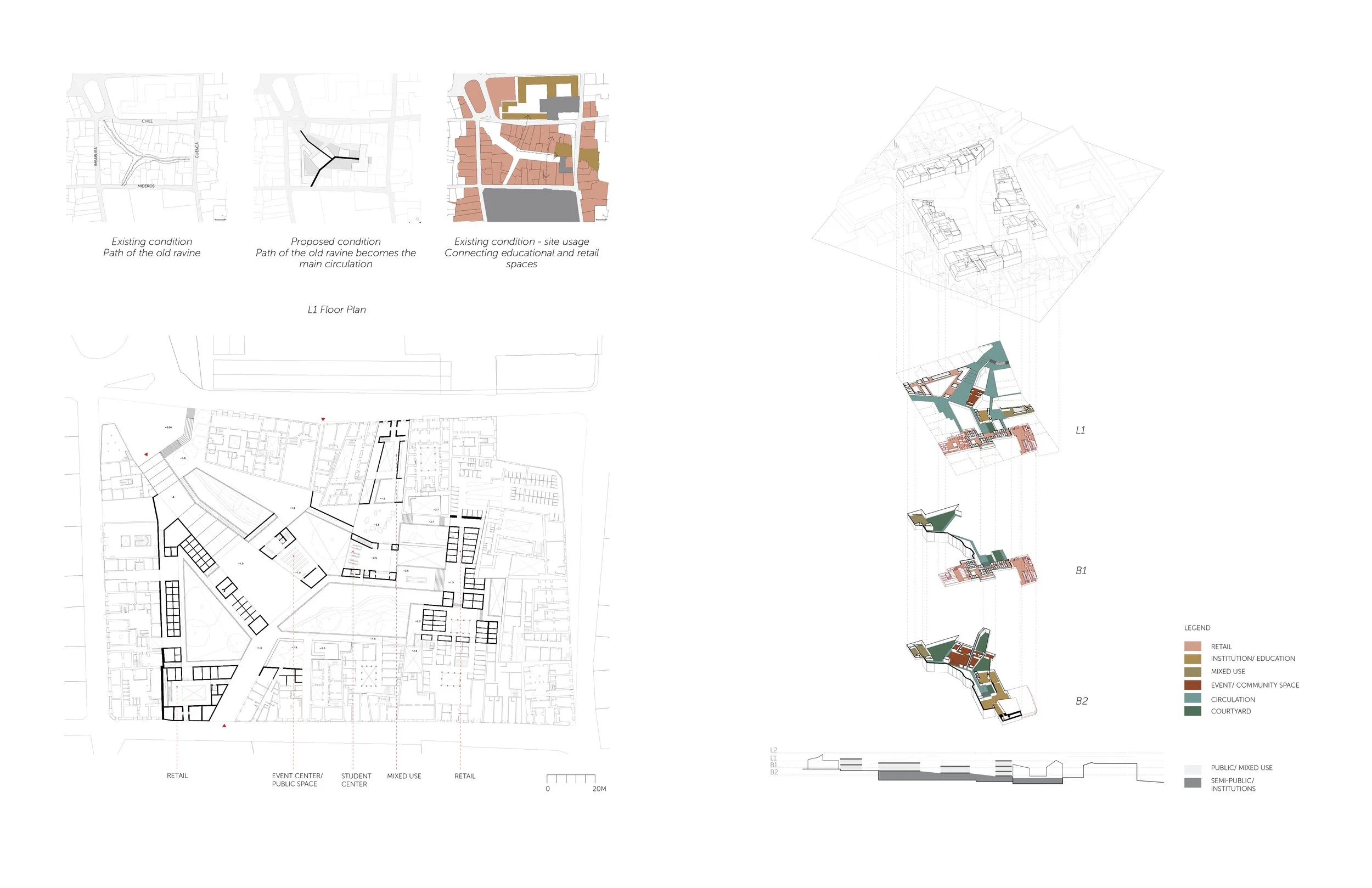
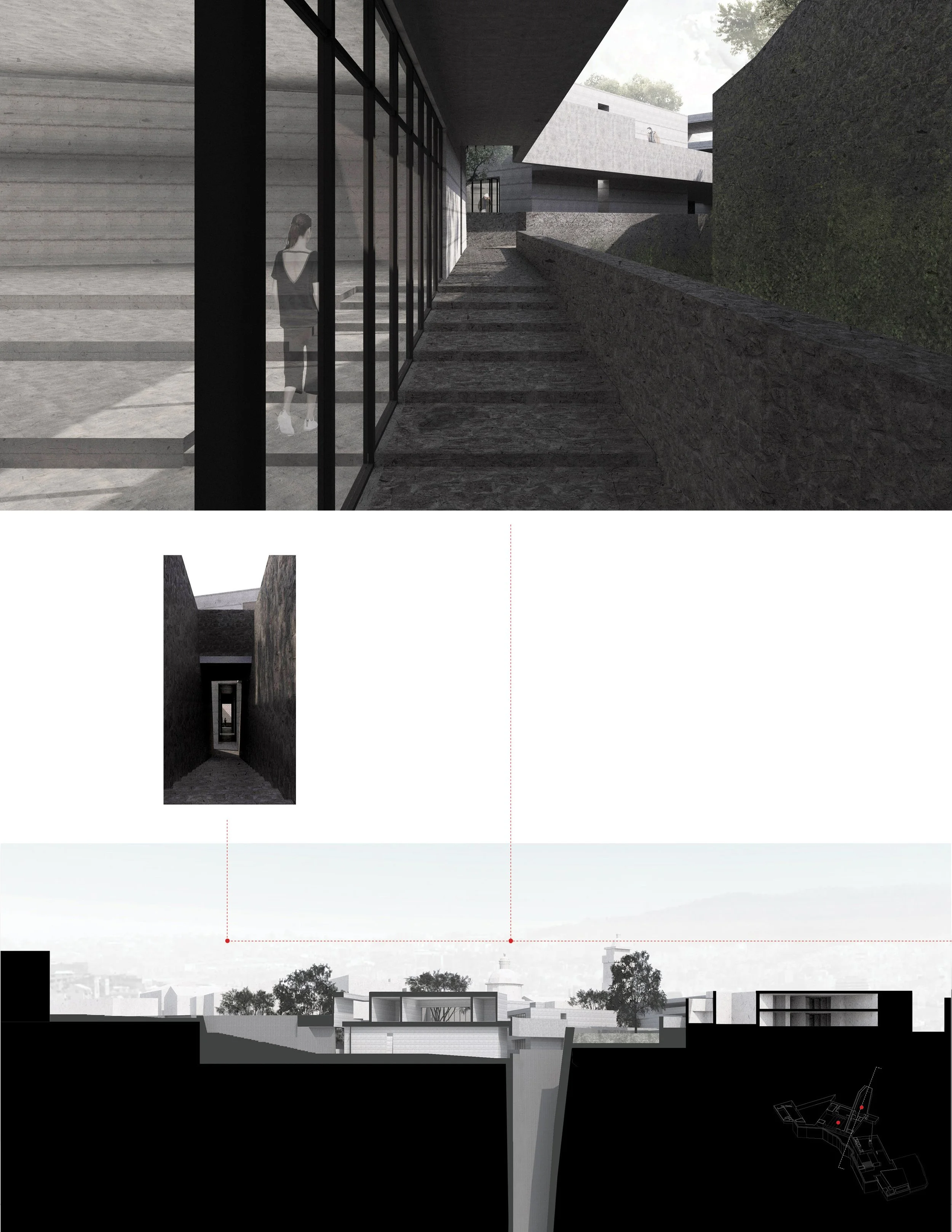
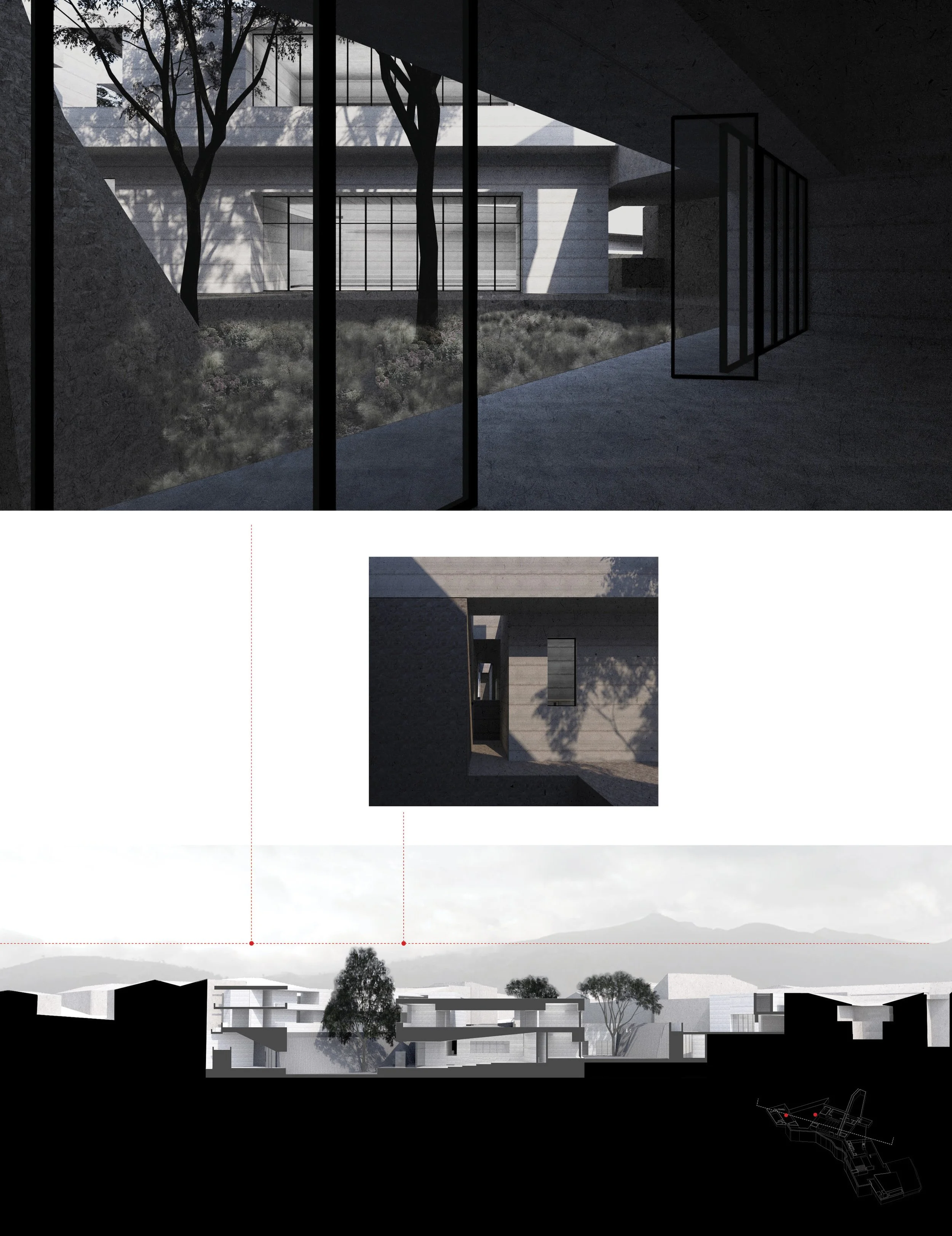
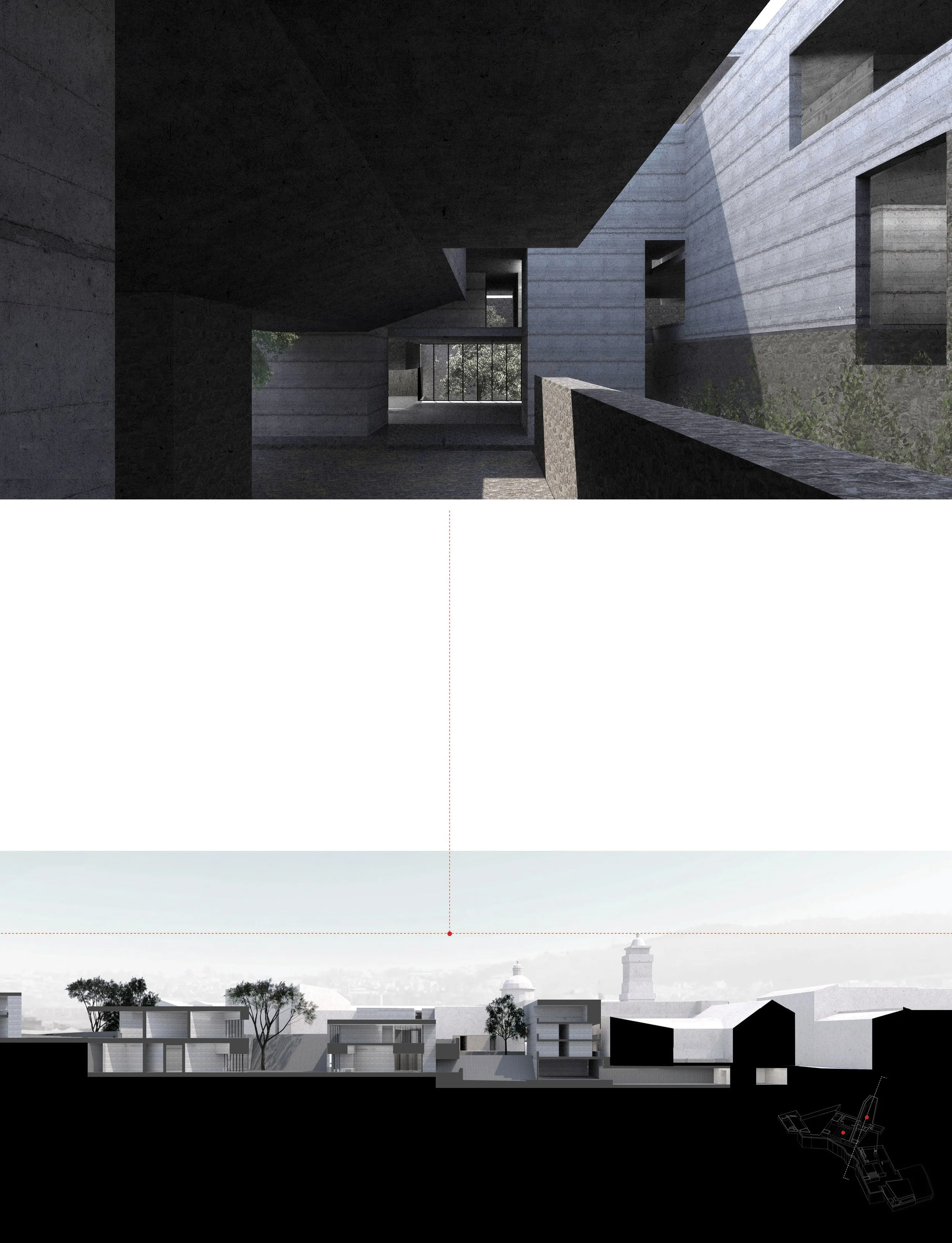
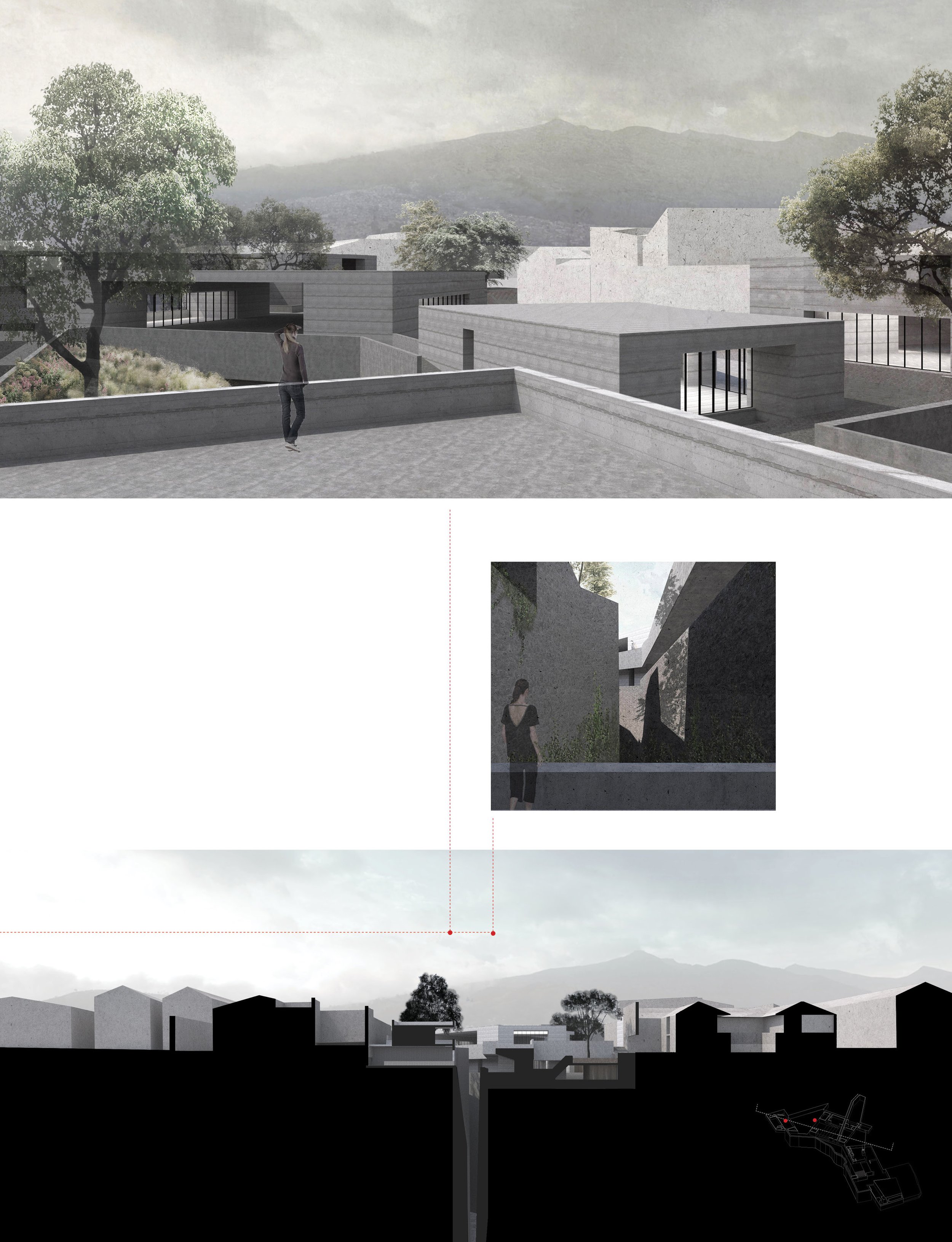
Ravines once weaved through the blocks of Quito. With time, they disappeared underground, overshadowed by the city’s growth. The residue of their presence are imprinted on the block, shaping an interior artery that is still present. The project re-imagines a new topography that introduces a new civic and institutional space that blurs the boundary between the landscape and the city. The new topography intends to explore and evoke the cavities of the ground.
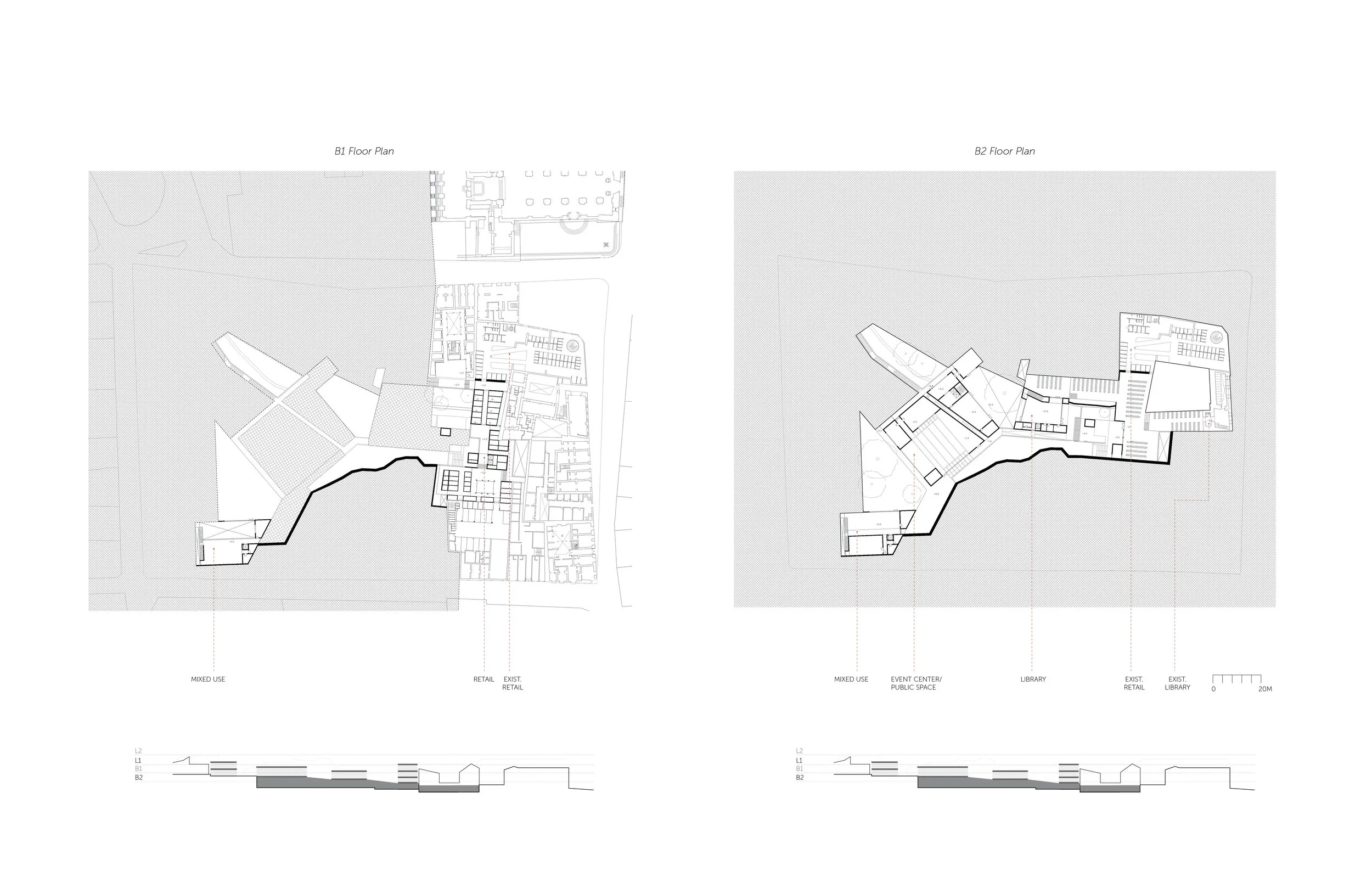
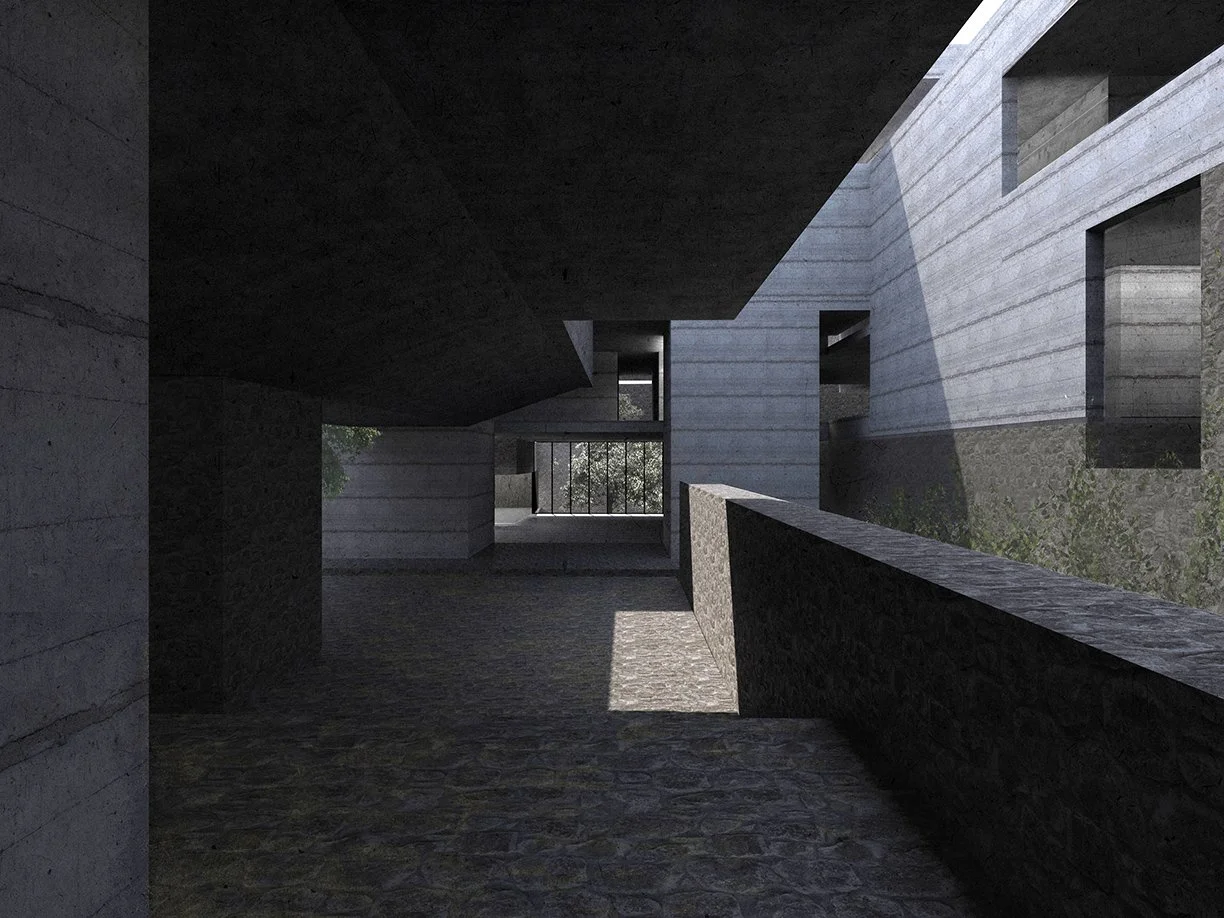
The project seeks to enrich the block by introducing a variety of new public spaces of different scales, which engage with the existing architecture. The site is currently home to mostly commercial spaces, alongside a church and a language school, with two religious and academic institutions nearby. The intervention connects the existing institutional and commercial spaces, and through a careful sectional articulation, part of the site can be closed for maintenance and privacy. One of the original ravine lines is used as the main circulation path, linking both interior and exterior spaces.